Property Tax & Closing Cost Breakdowns: Transparent Financial Planning for CA Buyers & Sellers
By Julayne Luu
Closing costs and property taxes are often the biggest surprises in a transaction. See where the money goes so you can plan with confidence.
Few parts of real estate create more anxiety than money you did not expect to pay. Closing costs and property taxes are often at the center of that worry. The good news is that most costs are predictable once you know where to look. This guide explains the typical categories for California transactions. Amounts vary by property, lender, and negotiation, so treat this as an overview and request a personalized estimate.
How California Property Tax Works
California property tax is based on a property's assessed value rather than its current market value. At purchase, the assessed value generally starts at the purchase price. The basic tax rate is about one percent of assessed value, with additional charges for voter-approved bonds and special assessments that vary by location. After purchase, annual increases in assessed value are generally limited by state law.
Two points surprise many buyers:
- Supplemental tax bills. After a purchase, the county may issue a supplemental bill to reflect the difference between the old and new assessed values. It is separate from your regular bill, so plan for it.
- Variation by address. Two homes with the same price can have different tax bills because of local assessments and special districts.
Typical Buyer Closing Costs
Buyers often pay a combination of the following:
- Loan costs, such as origination fees, underwriting fees, and points if you choose to buy down the rate
- Appraisal and credit report fees
- Title insurance and escrow fees, where customs on who pays which share can differ by area and by negotiation
- Recording fees
- Prepaid items, such as homeowner's insurance, property tax reserves, and prepaid mortgage interest
- Inspection costs, which are usually paid at the time of service
- Association fees and transfer charges, if the home is part of an HOA
As a rough planning guide, buyer closing costs are often estimated at a few percent of the purchase price, excluding the down payment. Your lender's loan estimate will provide a detailed figure.
Typical Seller Costs
Sellers usually plan for:
- Real estate commissions, which are negotiable and vary by agreement
- Escrow and title fees, depending on local custom and negotiation
- Transfer taxes, including a county documentary transfer tax and, in some cities, an additional city tax
- Payoff of existing loans and any recorded liens
- Prorated property taxes and HOA dues
- Required reports and disclosures, such as a natural hazard disclosure
- Agreed repairs or credits negotiated with the buyer
Who Pays What Is Often Negotiable
Many closing costs can be shifted through negotiation. Sellers may offer credits toward a buyer's costs, and buyers may ask for repairs or concessions. Lenders limit how much seller assistance is allowed, depending on the loan type and down payment. Review these limits with your lender before you make or accept an offer.
Understand Prorations
Property taxes, HOA dues, and sometimes rents are prorated at closing so each party pays for their share of the period. Your escrow officer will include these calculations in the settlement statement. Ask them to explain each line item.
Read Your Closing Disclosure Carefully
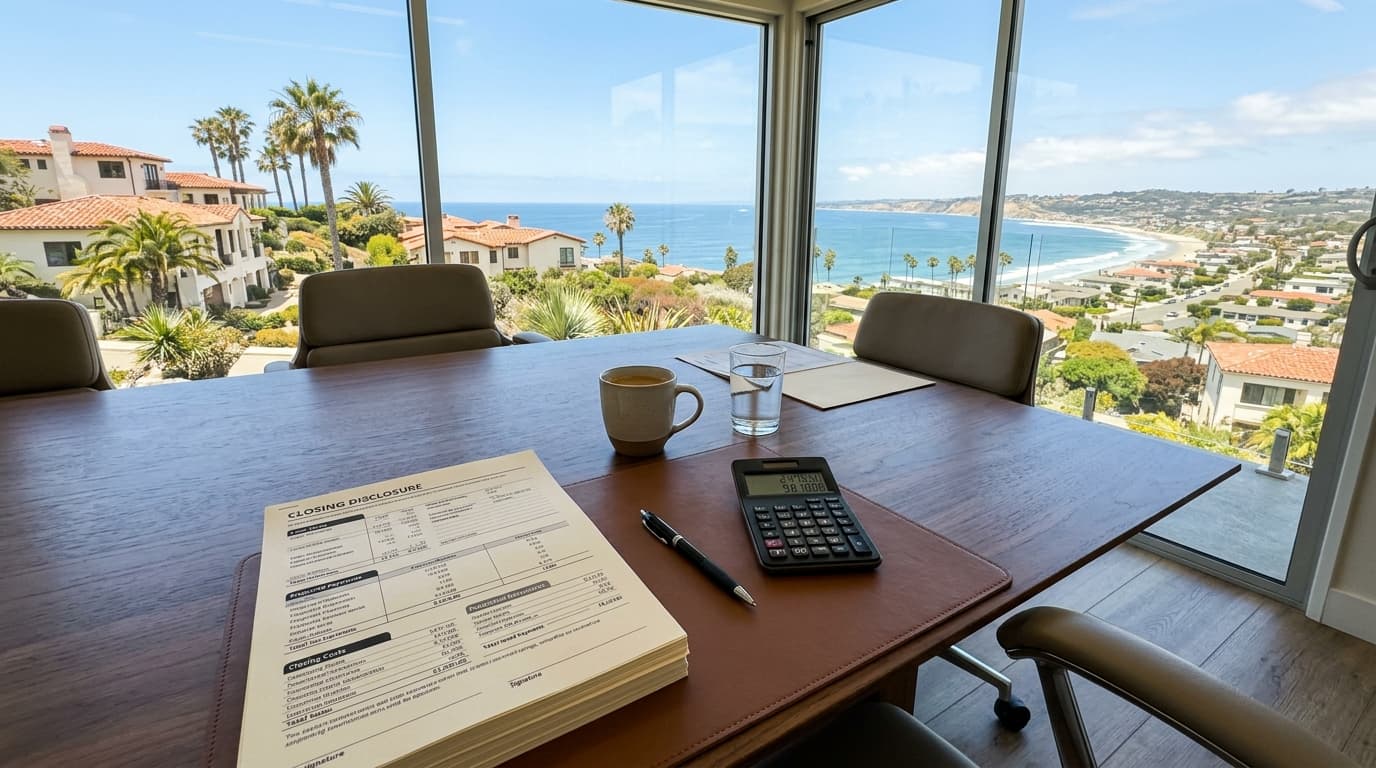
Buyers receive a closing disclosure several days before closing. Compare it with your original loan estimate, and ask about any changes. Confirm the cash required to close, and make sure that wiring instructions are verified by phone.
Ways to Reduce the Surprise
- Request estimates early, and update them as your plans change
- Ask your lender and escrow officer for itemized costs
- Build a cushion into your budget for unexpected items
- Understand which costs are paid upfront and which are paid at closing
- Plan for ongoing ownership costs, not just the purchase
Next Step
You deserve clear numbers before you commit. Request our cost estimate dossier, and we will provide an itemized overview for your situation, covering property tax, closing costs, and net proceeds, so you can plan your next move with confidence.
Julayne Luu, DRE #01386573 | Century Financial Group, Corp., DRE #01930905 | 8295 Bolsa Avenue, Midway City, CA 92655. This article is general information only and is not legal, tax, or financial advice. Equal Housing Opportunity.
Educational content only. Discuss property-specific guidance with a licensed professional.
Get Cost Estimate DossierJulayne's services