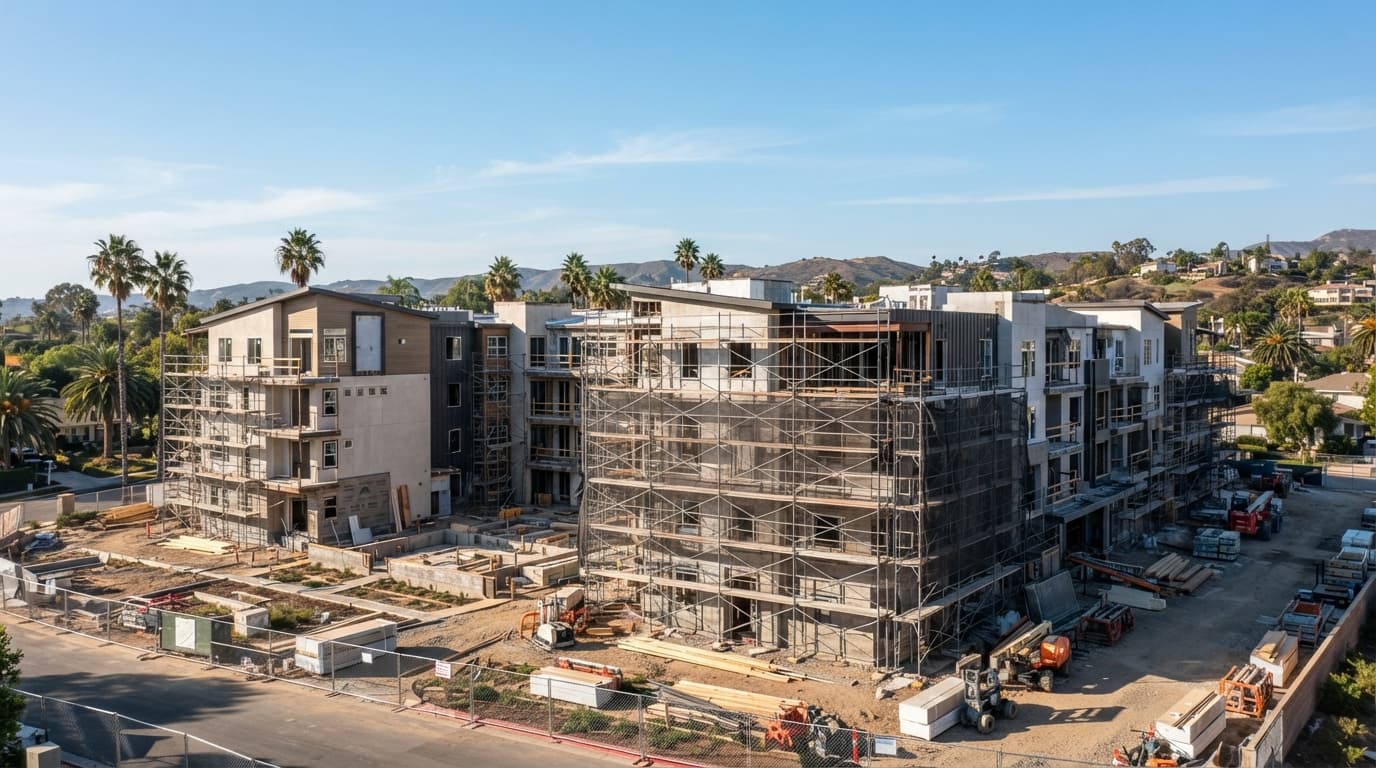
Evaluating Development Funding Options via Century Funding for Multi-Family Projects
By Julayne Luu
Multi-family development depends on a well-structured capital stack. Learn the funding components, the questions lenders ask, and how to prepare your project.
A well-located site and a strong design are only part of a successful multi-family development. The project also needs the right funding, structured in the right order and priced in a way the numbers can support. For developers and investors considering multi-family projects in California, understanding how capital is assembled can make the difference between a smooth build and a stalled one. Century Funding, a division of Global Estate Hub, works with project sponsors to evaluate funding paths. All financing is subject to underwriting and approval, and terms are not guaranteed.
Understanding the Capital Stack
Most projects combine several layers of capital:
- Senior debt. Typically the largest layer, secured by the property. Construction loans and bridge loans fall into this category.
- Mezzanine debt or preferred equity. An intermediate layer that fills the gap between senior debt and sponsor equity, usually at a higher cost.
- Sponsor and investor equity. The cash that sits at the bottom of the stack and absorbs losses first.
The right mix depends on the project's size, risk, and timeline.
Common Funding Types
- Acquisition and bridge financing helps secure a site or an existing property while you complete entitlements or plan renovations.
- Construction financing funds the building process in stages, with funds released as work is completed and verified.
- Permanent or take-out financing replaces construction debt after the project stabilizes and begins generating income.
- Value-add or renovation financing supports repositioning existing multi-family property.
What Funding Sources Typically Review
Funding providers look closely at several areas:
- The sponsor. Experience, track record, financial strength, and team quality.
- The site and entitlements. Zoning, approvals, and any pending permits.
- The budget. Hard and soft costs, contingencies, and contractor pricing.
- The schedule. Realistic timelines, including permitting and construction.
- The market. Rental demand, comparable properties, and projected rents.
- The exit strategy. How the project will repay the loan, through a sale or refinance.
Key Metrics
Terms you will encounter include:
- Loan-to-cost, the loan amount compared with the project's total cost
- Loan-to-value, the loan amount compared with the property's projected or current value
- Debt service coverage ratio, which measures whether income can cover the loan payments
- Yield on cost, which compares projected net income with total development cost
Lenders and investors set their own limits, and requirements can shift with market conditions.
Prepare a Strong Funding Package
A clear, organized package builds credibility. Consider including:
- A project summary with location, unit mix, and timeline
- A detailed development budget and sources and uses of funds
- A financial pro forma with realistic assumptions and sensitivity analysis
- Entitlement status, plans, and permit documentation
- Sponsor biographies, financial statements, and project experience
- Market study or comparable rent data
- A description of the construction team
Risks to Plan For
- Cost overruns. Build contingency into the budget.
- Delays. Permitting and construction schedules often change.
- Interest rate changes. Floating-rate debt can increase costs.
- Lease-up risk. New buildings take time to fill.
- Regulatory change. Local rules on density, affordability, or fees can shift.
California Considerations
California offers tools and constraints that affect multi-family projects, including state density and housing legislation, local zoning processes, and impact fees. Work with experienced land use counsel and consultants to understand how these apply to your site.
Verify Your Partners
Confirm that any lender, broker, or capital provider you work with holds the licenses required for the transaction, and review all terms carefully with your attorney. Ask for written terms, and make sure you understand fees, guarantees, and repayment conditions.
Next Step
If you are evaluating a multi-family project, early conversations with funding professionals can shape your plan and avoid surprises. Connect with Century Funding to discuss your project and learn which funding paths may be worth pursuing.
Julayne Luu, DRE #01386573 | Century Financial Group, Corp., DRE #01930905 | 8295 Bolsa Avenue, Midway City, CA 92655. This article is general information only and is not legal, tax, or financial advice. Equal Housing Opportunity.
Educational content only. Discuss property-specific guidance with a licensed professional.
Connect to Century FundingJulayne's services